Blog
Postpartum Recovery

Getting Your Spine and Body Back in Alignment
Pregnancy transforms your body in remarkable ways—and those changes don’t simply reverse overnight. Over nine months, your spine, pelvis, and posture shift to accommodate your growing baby. Labor and delivery, whether vaginal or surgical, place significant stress on your muscles, joints, and nervous system. By the time you’re home with your newborn, many new mothers experience back pain, neck tension, shoulder strain, and general misalignment that can make recovery harder and parenting more painful.
The good news: your body is resilient, and the right support during these crucial early weeks can make a real difference in how you heal.
During pregnancy, hormonal changes loosened your ligaments to prepare for birth. Your abdominal muscles stretched significantly. Your pelvis shifted forward, your upper back rounded, and your neck craned forward to compensate. Labor intensified this physical stress. After delivery, these structures don’t simply snap back into place—they need time, movement, and often professional care to realign.
Add the demands of new parenthood—hours of feeding, holding, rocking, and carrying your baby—and your misaligned spine faces constant new strain. Without support, this pain can linger for months, affecting your sleep, mood, and ability to bond with your baby.
Community Chiropractic & Acupuncture of Park Slope addresses the root of postpartum pain: spinal misalignment and restricted movement. We can gently assess your spine, pelvis, and posture to identify where pregnancy and birth have created dysfunction. Specific, gentle adjustments help restore proper alignment, reduce nerve irritation, and support your body’s natural healing.
Because chiropractic is hands-on and non-invasive, it works well alongside your postpartum recovery without introducing pain medications into your system—especially important if you’re breastfeeding. Many new mothers find that a few targeted adjustments relieve the back and neck pain that seemed inevitable.
Acupuncture for Healing and Whole-Body Recovery
Acupuncture complements chiropractic care beautifully during postpartum recovery. It reduces inflammation, promotes blood flow to healing tissues, and helps regulate your nervous system—which is often in overdrive during the postpartum period. Acupuncture can also address postpartum fatigue, emotional stress, and sleep disruption, supporting not just your physical healing but your overall well-being as you adjust to motherhood.
Posture Matters: Feeding, Sleeping, and Daily Movement
While professional care helps, your daily habits matter just as much. When feeding (whether nursing or bottle-feeding), support your back with pillows and bring your baby to breast level rather than hunching forward. Poor feeding posture compounds spinal misalignment and can trigger shoulder and neck pain that lingers long after those early feeding days.
Sleep positioning also affects recovery. Side-sleeping with a pillow between your knees supports pelvic alignment better than back or stomach sleeping. If you’ve had a cesarean, discuss safe sleep positions with your healthcare provider and your chiropractor.
Gentle movement—short walks, pelvic floor awareness, and light stretching—accelerates healing. Ask your chiropractor or acupuncturist which movements are safe for your specific situation, especially in the first 2–3 weeks postpartum.
Most new mothers can safely begin chiropractic care within the first week or two postpartum, though timing depends on your delivery and overall recovery. If you’ve had a cesarean section, let your care provider know—adjustments are gentler and focused away from your incision as it heals. Acupuncture is also safe postpartum and can begin as soon as you feel ready.
Don’t wait until pain becomes unbearable. Early, gentle care during the first 6–12 weeks sets the foundation for faster, more complete recovery and helps prevent chronic postpartum pain.
Your body has done something extraordinary. It deserves thoughtful, natural support as it heals.
Community Chiropractic & Acupuncture of Park Slope can give you that—without medications, without unnecessary interventions, just skilled hands and evidence-based healing aligned with how your body actually works.
Call (718) 398-3100 or visit our contact page.
Pregnancy in the Heat

Summer Pregnancy Discomfort Is Real
If you’re pregnant during Brooklyn’s hot months, you already know that summer heat amplifies every ache. Your expanding belly shifts your center of gravity, pregnancy hormones loosen your ligaments, and add sweltering temperatures to the mix—your back and pelvis are under extra stress. The good news: you don’t need medication to find relief. Chiropractic care and acupuncture offer safe, natural options that work with your body’s changes, not against them.
Heat and Pregnancy Don’t Mix Well
Heat causes your muscles to relax and soften, which sounds helpful but actually compounds pregnancy-related strain. Your ligaments are already loosened by relaxin (a pregnancy hormone), so your spine and pelvis rely even more heavily on muscular support. When heat weakens those muscles further, your joints compensate by working harder. Add swelling from dehydration and the extra weight of pregnancy, and you get sharp lower back pain, pelvic girdle pain, and sciatic nerve irritation.
The heat also makes it tempting to move less and rest more, which can stiffen your joints and worsen misalignment. During pregnancy, staying mobile—even gently—is crucial for spinal health and pelvic stability.
Chiropractic Care for Pregnancy Support
Chiropractic adjustments during pregnancy are safe and specifically designed for your changing body. A chiropractor trained in prenatal care uses gentle techniques and modified positioning (like the flexion-distraction table or side-lying adjustments) to keep your spine aligned without strain on your abdomen. Proper spinal alignment takes pressure off the nerves that feed your pelvis and lower back, reducing pain and improving mobility.
Regular adjustments also help prevent pelvic misalignment, which can make labor harder and increase discomfort during pregnancy. Many pregnant patients report better sleep, less sciatic pain, and improved overall comfort after just a few visits.
Acupuncture for Pain and Relaxation
Acupuncture is another excellent tool for pregnancy-related pain. It’s drug-free, works without systemic side effects, and can be deeply relaxing—something many pregnant women desperately need during hot, uncomfortable months. Acupuncture stimulates your body’s natural pain-relief pathways and can ease lower back pain, pelvic tension, and even the anxiety that often comes with physical discomfort. Many pregnant patients find that acupuncture helps them sleep better and feel calmer, benefits that ripple through their whole day.
Tips for Summer Pregnancy
Posture matters more in the heat. When you’re overheated, slouching feels easier, but it loads your lower back and pelvis. Keep your shoulders back, engage your core gently, and avoid leaning backward to counterbalance your belly—this strains your lumbar spine. When sitting, use a small pillow behind your lower back.
Stay hydrated and move frequently. Dehydration tightens muscles and worsens pain. Drink water throughout the day, and take short walks in shaded areas or air-conditioned spaces every hour or two. Movement prevents stiffness and keeps your pelvic joints mobile.
Use pregnancy-safe stretches. Child’s pose (modified with knees wider to accommodate your belly), cat-cow stretches, and pelvic circles are all gentle ways to ease tension. Avoid deep twists and forward folds that strain your lower back.
Sleep strategically. Lie on your left side with a pillow between your knees to support your pelvis and spine. This position also improves circulation and eases pressure on your organs.
Dress for comfort. Loose, breathable clothing keeps you cooler and reduces the urge to hunch or shift awkwardly to escape the heat.
Sharp, shooting pain down your leg, severe pelvic pain that limits walking, or pain that wakes you at night are all signs to reach out for professional support. You don’t have to white-knuckle through summer pregnancy discomfort. Chiropractic care and acupuncture are safe throughout pregnancy and can make a real difference in how you feel.
Whether you’re in your first trimester or third, Brooklyn summers are challenging enough without pregnancy pain holding you back. Let’s work together to keep your spine aligned, your pelvis stable, and your energy high as you prepare to meet your baby.
Call (718) 398-3100 or visit our contact page.
Acupuncture and Heat

Natural Ways to Cool Down
Summer in Brooklyn brings long, hot days that can leave you feeling drained, inflamed, and out of sync. While air conditioning and cold drinks offer temporary relief, they don’t address what’s happening inside your body. Chinese medicine offers a different perspective: heat-related discomfort isn’t just about the temperature outside—it’s about how your body manages its own internal temperature and inflammatory response.
Heat in Chinese Medicine
In Chinese medicine, excess heat (or what practitioners call “heat” conditions) can accumulate in the body and trigger inflammation, fatigue, skin irritation, joint aching, and digestive upset. This heat can build up from stress, poor sleep, dehydration, and even the way we eat during warmer months. The good news: acupuncture and Chinese medicine principles are specifically designed to help your body regulate temperature and cool itself naturally.
Acupuncture works by stimulating specific points on the body that help regulate your nervous system and inflammatory response. During summer, practitioners often focus on points that support your body’s natural cooling mechanisms—like those along the meridians associated with the heart, small intestine, and kidney systems. These aren’t arbitrary choices; they’re based on centuries of observation about which points help the body dissipate excess heat and reduce swelling.
When a needle is placed at these points, it signals your body to downregulate inflammatory markers and activate your parasympathetic nervous system—essentially telling your body it’s safe to cool down and relax. This isn’t a quick fix for the summer sun, but it does help your body manage the stress heat places on it.
Beyond acupuncture, Chinese medicine offers practical wisdom for summer living:
- Support your spleen and digestion. Heat can weaken digestive function. Eating smaller, lighter meals and favoring warm or room-temperature foods (rather than ice-cold drinks) helps your body digest more efficiently and reduces internal heat burden.
- Stay hydrated mindfully. Sipping water throughout the day is better than gulping ice water. Room-temperature or slightly warm water is gentler on digestion.
- Protect yourself from excessive cooling. Ironically, blasting air conditioning or jumping into cold pools can shock your system and trap heat deeper inside. Gradual temperature changes are kinder to your body.
- Rest during peak heat. If possible, slow down during the hottest parts of the day. This isn’t laziness—it’s respecting your body’s natural rhythm and reducing the stress that fuels inflammation.
Acupuncture works best when paired with lifestyle shifts. Regular sessions during summer can help stabilize your body’s response to heat, while your own choices—staying hydrated, eating lighter meals, and managing stress—extend that benefit. Many patients notice that acupuncture sessions leave them feeling cooler, more energized, and less inflamed within days.
If you’re dealing with summer-triggered joint inflammation, muscle tension, or that dragging fatigue that heat brings, acupuncture offers a natural, non-invasive way to help your body recalibrate. There are no side effects, and the benefits often extend beyond heat relief to better sleep, clearer thinking, and improved overall resilience.
Summer doesn’t have to mean suffering through inflammation and heat exhaustion. Whether you’re new to acupuncture or a returning patient, scheduling regular sessions during the warm months is a thoughtful investment in feeling your best. Our Park Slope clinic is here to help you navigate summer with natural, time-tested strategies that work with your body, not against it.
Call (718) 398-3100 or visit our contact page.
Gardening

Spring Garden Work and Spinal Strain
As Park Slope gardens spring back to life, so does the seasonal rush to plant, weed, and refresh outdoor spaces. Gardening is wonderful movement—but it’s also one of the sneakiest sources of back and neck strain. Hours spent bent over beds, kneeling on hard ground, and reaching overhead can leave your spine feeling less than thriving by day’s end.
The good news: small posture adjustments and preventive care can help you garden pain-free all season long.
Common Gardening Postures That Strain Your Spine
Most gardening injuries don’t happen in a single moment. Like disc injuries, they build gradually as repetitive poor positioning stresses your spinal alignment.
Bending forward from the waist is the classic culprit. Whether you’re pulling weeds or planting seedlings, leaning forward without support compresses your lower back discs and strains the muscles holding your spine stable. Repeat this hundreds of times over a weekend, and you’ve created inflammation and pain.
Twisting while bent is even worse. Reaching to the side while your spine is already flexed multiplies the load on your lower back. This combination is a fast track to muscle tightness and misalignment.
Kneeling on hard ground shifts pressure from your legs to your knees and lower back, forcing your spine into compensation patterns to stay upright. Extended kneeling also locks your hips, reducing mobility in your whole posterior chain.
Reaching overhead while standing on uneven ground or while your core is fatigued pulls your neck and upper back out of alignment. If you’re already dealing with neck tension, this amplifies it quickly.
Alignment Adjustments for Gardening Tasks
For weeding and low-level work: Squat instead of bending. Keep your chest upright, engage your core, and let your legs do the work. Your knees can bend fully; your spine stays neutral. If squatting is uncomfortable, use a garden kneeling bench or pad to reduce stress on your joints and give your lower back support. When you do kneel, keep one foot flat on the ground so you can push yourself upright with leg strength, not just your back.
For planting: Bring the work closer to you. Use raised beds or containers at waist height when possible. This eliminates excessive forward bending and keeps your spine in a safer zone. When you must reach down, hinge at your hips rather than rounding your lower back. Think of tipping forward from your hip joints while keeping your spine long.
For overhead tasks: Stand with feet shoulder-width apart for stability. Engage your core before reaching up. Keep your shoulders relaxed away from your ears, and avoid hyperextending your lower back by gently tucking your pelvis. If you’re on a ladder or uneven ground, set yourself up for balance first—your spine will thank you.
General rule: Change positions every 20 to 30 minutes. Your body doesn’t tolerate one posture for hours, even a good one. Alternating between squatting, kneeling, and standing keeps muscles engaged and prevents fatigue-driven compensation.
Before you garden, warm up your hips, spine, and shoulders with gentle movement. Cat-cow stretches, world’s greatest stretch, and hip circles prepare your body for the work ahead. After gardening, spend 10 minutes stretching your hip flexors, hamstrings, and lower back to release tension and restore length.
If you notice tightness or discomfort during the season, don’t wait. Regular chiropractic adjustments and mobility work now—before pain becomes chronic—set you up to enjoy your garden without strain. Preventive care and spinal alignment go hand in hand with seasonal activity.
Your spine is built for movement, but it needs support and awareness. Protect it this gardening season, and you’ll be planting and weeding comfortably well into autumn.
Ready to talk? Call (718) 398-3100 or visit our contact page.
Acupuncture for Pregnancy

Managing Nausea, Sleep, and Stress
Pregnancy is a profound time of change, but it often comes with discomforts that can feel overwhelming. Morning sickness, trouble sleeping, and persistent anxiety are common—and exhausting. If you’re looking for relief without reaching for pharmaceutical options, acupuncture offers a time-tested, safe, and gentle approach to managing these symptoms while supporting your overall wellness during this vital period.
How Acupuncture Works During Pregnancy
Acupuncture has been used for thousands of years to support pregnant women. The practice works by stimulating specific points on the body to restore balance and encourage your body’s natural healing processes. During pregnancy, your body is already working hard—acupuncture helps optimize that natural energy and address symptoms at their root rather than just masking them.
A trained acupuncturist will adapt techniques specifically for pregnancy, using points that are safe and effective during each trimester. The needles are extremely fine, and most patients find the experience deeply relaxing rather than uncomfortable.
Addressing Morning Sickness Naturally
Morning sickness—which can strike at any time of day—affects many pregnant women, particularly in the first trimester. Acupuncture has been shown to help ease nausea by balancing the stomach and digestive system. Specific acupoints, particularly those on the wrists and legs, can reduce the severity and frequency of nausea without the side effects that come with other symptom-management approaches.
Many women report feeling relief within a few sessions. The beauty of acupuncture is that it works with your body rather than against it, addressing the underlying imbalance rather than suppressing the symptom artificially.
Restoring Sleep During Pregnancy
Insomnia during pregnancy is frustratingly common. Your changing body, shifting hormones, and the emotional weight of preparing for motherhood can all interfere with restorative sleep. Acupuncture can help calm your nervous system and prepare your body for deep, quality rest.
By stimulating points associated with relaxation and nervous system regulation, acupuncture encourages the kind of calm alertness that makes sleep possible. Regular sessions can help establish better sleep patterns, meaning you wake up more refreshed and better able to handle the physical and emotional demands of pregnancy.
Pregnancy Anxiety and Stress
Pregnancy often brings a mix of joy and worry. Will everything go smoothly? Am I ready? These questions are normal, but the stress they create can affect both you and your baby’s wellbeing. Acupuncture is a powerful tool for calming anxiety and grounding you in the present moment.
The treatment itself creates a meditative space where you can let go of tension. Acupuncture reduces cortisol levels and activates your parasympathetic nervous system—your body’s natural relaxation response. Many pregnant women describe acupuncture sessions as profoundly centering, leaving them feeling emotionally lighter and more prepared for what’s ahead.
Safety and Centuries of Tradition
One of the most important things to know: acupuncture is safe during pregnancy when performed by a qualified, experienced practitioner. Chinese medicine has supported pregnant women for over two thousand years. Modern research continues to validate these time-honored practices, with studies showing acupuncture’s effectiveness for pregnancy-related symptoms.
At Park Slope Chiropractic & Acupuncture, we specialize in working with pregnant patients. Our practitioners understand the unique needs of expectant mothers and use acupuncture techniques tailored to support you safely through each stage of pregnancy. We also coordinate with your healthcare team to ensure comprehensive, integrated care.
Acupuncture works beautifully alongside other prenatal care and wellness practices. Whether you’re managing morning sickness, hoping to sleep better, or looking for a natural way to ease anxiety, acupuncture offers real, lasting relief without pharmaceutical side effects. It’s an investment in your comfort now and your wellbeing throughout pregnancy and beyond.
If you’re pregnant and curious about how acupuncture might support your health, we’d love to talk with you. Our team is here to answer questions and help you feel your best during this special time.
Ready to talk? Call (718) 398-3100 or visit our contact page.
Acupuncture & Chinese Medicine

When Life Changes, Your Body Feels It
Pregnancy, new parenthood, career shifts, moving to a new neighborhood—major life transitions bring joy, but they also bring stress. Your nervous system is constantly adapting, your sleep patterns shift, and emotional overwhelm can creep in without warning. Many people think stress is just a mental experience, but it lives in your body too: tight shoulders, shallow breathing, digestive trouble, and restless sleep are all physical expressions of emotional strain.
The good news? Your body has natural resources to find balance again, and acupuncture and Chinese medicine are time-tested tools that support that process.
How Stress Lives in Your Nervous System
When you’re under sustained stress—whether it’s the physical demands of pregnancy, the exhaustion of new parenthood, or the uncertainty of a major life change—your nervous system stays in a state of heightened alert. This activates your body’s “fight or flight” response, flooding you with cortisol and adrenaline. Over time, this state becomes the new normal, leaving you wired, anxious, and depleted.
Chinese medicine understands stress as a disruption in the flow of qi (vital energy) through your body. When stress blocks that flow, you feel it as tension, anxiety, insomnia, and even physical pain. The goal isn’t to suppress the stress—it’s to help your nervous system return to its natural state of calm and resilience.
Acupuncture works by stimulating specific points that signal your body to shift out of high-alert mode. When a needle is placed at the right point, it activates the parasympathetic nervous system—the part of your body responsible for rest, digestion, and recovery. This isn’t guesswork; research consistently shows that acupuncture reduces cortisol levels, lowers heart rate, and increases feelings of calm.
For pregnant people, acupuncture can ease anxiety while supporting the physical changes happening in your body. For new parents, regular sessions provide a dedicated space to pause, breathe, and let your nervous system settle—even if it’s just for 30 minutes. During any major transition, acupuncture gives you a tool that doesn’t involve medication, that respects your body’s own healing capacity, and that acknowledges the connection between your emotions and your physical health.
Rather than simply masking symptoms, Chinese medicine asks: Why is stress hitting you harder right now? The answer is different for everyone. For some, pregnancy depletes the body’s reserves and leaves the nervous system vulnerable. New parenthood’s sleep deprivation and constant vigilance throw everything out of balance. For others still, life transitions trigger deeper patterns of worry or grief.
Your acupuncturist listens to your unique situation and creates a treatment plan tailored to support your body where it needs it most. This might include acupuncture, herbal remedies that nourish your system, or guidance on breathing and lifestyle practices that reinforce calm.
If you’re in the middle of a big life change and feeling the stress in your body and mind, you don’t have to white-knuckle through it alone. Acupuncture and Chinese medicine offer real, gentle support—a way to help your nervous system find its footing again so you can show up for yourself and your family with more ease and resilience.
The sooner you address stress, the sooner you can move through transition with more balance. Whether you’re pregnant, newly parenting, or navigating another major change, reaching out to schedule a consultation is the first step toward feeling more like yourself.
Ready to talk? Call (718) 398-3100 or visit our contact page.
What Is Acupuncture Actually Like?

If you’ve been curious about acupuncture but keep talking yourself out of it — maybe because of the needles, or because you’re not quite sure what it even involves — you’re not alone. A lot of Park Slope patients come to us having thought about trying acupuncture for months before finally making that first appointment. Here’s what you can expect, start to finish.
Before Your Session
Your first acupuncture visit begins with a conversation, not needles. A practitioner will ask about your health history, what’s bothering you, and your overall lifestyle — sleep, digestion, stress, energy levels. This is rooted in the tradition of Chinese medicine, which looks at the whole person rather than isolating a single symptom.
Come to your appointment having eaten something light within the past few hours — not stuffed, not starving. Wear comfortable, loose-fitting clothing so that your arms and legs are easy to access. That’s really all the prep you need.
During the Session: What the Needles Actually Feel Like
This is the part most first-timers are most anxious about, so let’s be direct: acupuncture needles are extremely thin — far finer than anything you’ve encountered at a doctor’s office. Most people feel little to nothing as they’re inserted.
What you might notice at certain points is a mild heaviness, a gentle ache, or a subtle tingling sensation. Practitioners call this “de qi” — it’s actually a sign that the point is being activated. It fades quickly and most patients find it far less uncomfortable than they anticipated.
Once the needles are placed, you’ll typically rest for 20 to 30 minutes. Most people find this deeply relaxing — some even fall asleep. The room is quiet, the lights are low, and there’s genuinely nowhere else you need to be.
After Your Session
Don’t be surprised if you feel calm, a little tired, or even pleasantly spacey when you leave. This is normal. Drink water, take it easy for the rest of the day if you can, and pay attention to how your body feels over the next 24 to 48 hours.
Some patients notice improvement after a single session. Others experience a gradual shift over several visits. Acupuncture works cumulatively, and your practitioner will work with you to build a care plan that makes sense for your situation.
What Acupuncture Can Help With
Rooted in Chinese medicine, acupuncture addresses the body as an interconnected system. At our Brooklyn clinic, patients come to us with a wide range of concerns, including:
- Chronic or acute pain — back, neck, shoulders, joints
- Tension headaches and migraines
- Stress, anxiety, and sleep difficulties
- Digestive discomfort
- Fatigue and low energy
It pairs especially well with chiropractic care for patients dealing with spinal issues or musculoskeletal pain — the two approaches complement each other in meaningful ways.
Ready to Try It?
The best way to know if acupuncture is right for you is simply to experience it. Our Park Slope team is here to answer any questions before you commit to a single thing. Reach out through our contact page or give us a call at 718-398-3100— we’d love to help you take that first step.
Budget Strategy

Rising healthcare costs make it essential to have a clear budget strategy for your health. Instead of reacting to pain after it becomes severe, a proactive approach helps you avoid expensive treatments and maintain long-term wellness.
A smart budget strategy focuses on prevention. When it comes to spine-related pain, research shows that patients who begin care with chiropractic often experience lower overall healthcare costs. Starting with conservative care reduces the likelihood of needing advanced imaging, injections, or surgery later on.
When spinal issues go unaddressed, they tend to worsen over time. This progression often leads to more invasive and costly interventions, including emergency room visits and surgical procedures. By addressing the root cause early through spinal adjustments, many patients prevent this escalation.
Studies continue to show that patients who choose chiropractic first are less likely to require high-cost medical services. They experience fewer hospitalizations, reduced imaging, and lower rates of surgery. This makes chiropractic a practical and effective budget strategy for managing both health and expenses.
Regular adjustments help maintain proper spinal alignment and support nervous system function. When your body functions efficiently, it handles stress better, recovers faster, and reduces the likelihood of chronic issues that require costly care.
Consistency plays a key role in making this approach effective. A long-term budget strategy is not about occasional care—it is about maintaining your health over time. Small, consistent investments in spinal health can prevent large, unexpected medical bills in the future.
In addition to chiropractic care, maintaining good posture, staying active, and managing daily stress all support a strong foundation for health. These habits work together to reduce strain on the body and improve overall function.
A well-planned budget strategy does more than save money—it protects your quality of life. By prioritizing preventive care, you reduce your risk of serious complications and maintain greater independence as you age.
Now is the time to think differently about your health. We offer a proactive, cost-effective way to stay ahead of problems and avoid unnecessary expenses.
If you want to take control of both your health and your finances, consider making regular spinal care part of your budget strategy.
Click here to contact Community Chiropractic & Acupuncture of Park Slope or call (718) 398-3100
Vitality Span

Most people think about lifespan—how long they live—but vitality span focuses on how well they live. Vitality span reflects your ability to stay active, independent, and engaged in daily life as you age. Chiropractic support plays an important role in maintaining that quality of life.
Your body depends on a healthy spine and nervous system to function properly. The nervous system controls movement, coordination, balance, and overall health. When the spine becomes restricted or misaligned, it can interfere with communication between the brain and body. This interference can reduce mobility, increase stiffness, and limit your ability to stay active.
Regular adjustments help keep the spine moving correctly and support proper nervous system function. When your body communicates efficiently, you move better, feel better, and maintain greater independence. Many patients notice improved flexibility, better posture, and increased energy—all key factors in maintaining a strong vitality span.
As we age, small physical limitations can gradually lead to bigger challenges. Stiff joints, reduced balance, and decreased mobility can make everyday tasks more difficult. Spinal adjustments help address these issues early by promoting proper alignment and reducing unnecessary strain on the body.
Consistency is key when it comes to supporting your vitality span. Ongoing care helps your body adapt to daily stress, recover more efficiently, and maintain optimal function over time. Instead of only seeking help when discomfort appears, regular visits allow you to stay ahead of potential problems.
In addition to adjustments, simple lifestyle habits can enhance your vitality span. Staying active, maintaining good posture, and prioritizing movement all support long-term health. When combined with consistent spinal support, these habits help you stay independent and engaged in the activities you enjoy.
Your vitality span determines how well you live—not just how long you live. Community Chiropractic & Acupuncture of Park Slope offers a natural, proactive approach to maintaining mobility, independence, and overall well-being at every stage of life.
If your goal is to stay active and independent for years to come, consider making regular adjustments part of your routine. Supporting your spine and nervous system today can help you enjoy a healthier, more vibrant future.
Click here to contact Community Chiropractic & Acupuncture of Park Slope or call (718) 398-3100
Daylight Saving Time
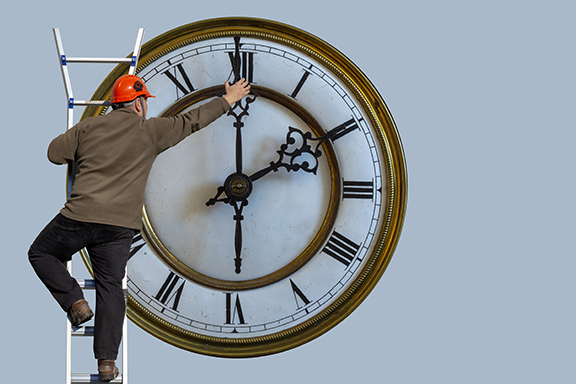
Every year when the clocks shift for Daylight Saving Time, many people notice changes in how they feel.
Losing or gaining an hour of sleep may not seem like a big deal, but it can disrupt the body’s internal clock. This natural clock, known as the circadian rhythm, helps regulate sleep, energy levels, hormone balance, and overall well-being.
When the body’s rhythm gets thrown off, people often experience fatigue, headaches, irritability, and difficulty concentrating. We can play an important role in helping the nervous system adapt more smoothly to these seasonal time changes.
Why Daylight Saving Time Disrupts the Body
Your brain relies on signals from the nervous system to regulate sleep cycles and energy levels. When the clock changes suddenly, the body must adjust its internal timing. Even a one-hour shift can temporarily disrupt sleep patterns and stress the nervous system.
For some people, the transition leads to poor sleep, muscle tension, and increased stress. These symptoms often appear because the body is trying to recalibrate its internal rhythm.
The spine protects the nervous system, which controls how the body adapts to environmental changes—including shifts in sleep schedules. When spinal joints become restricted or misaligned, communication between the brain and body may not function as efficiently.
Community Chiropractic & Acupuncture of Park Slope can help restore proper motion in the spine and reduce nerve interference. When the nervous system functions at its best, the body can adapt more effectively to changes like Daylight Saving Time.
Many patients report improved sleep quality, reduced tension, and better overall energy after a visit.
Tips to Help Your Body Adjust
- Gradually shift your bedtime a few days before the clock change
- Spend time outside in natural daylight to reset your internal clock
- Maintain a consistent sleep routine
- Stay hydrated and limit caffeine late in the day
- Keep your spine healthy with regular chiropractic adjustments
These small steps support the body’s ability to adapt to seasonal changes.
Daylight Saving Time may only shift the clock by an hour, but the body can take several days to fully adjust. Supporting the nervous system during this transition can make a noticeable difference in how you feel.
Community Chiropractic & Acupuncture of Park Slope focuses on helping the body function at its best by improving spinal alignment and nervous system communication. When your nervous system is balanced, your body can adapt more easily to life’s changes—including seasonal time shifts.
Click here to contact Community Chiropractic & Acupuncture of Park Slope or call (718) 398-3100