
What Is Acupuncture Actually Like?
If you’ve been curious about acupuncture but keep talking yourself out of it — maybe because of the needles, or because you’re not quite sure what it even involves — you’re not alone. A lot of Park Slope patients come to us having thought about trying acupuncture for months before finally making that first appointment. Here’s what you can expect, start to finish.
Before Your Session
Your first acupuncture visit begins with a conversation, not needles. A practitioner will ask about your health history, what’s bothering you, and your overall lifestyle — sleep, digestion, stress, energy levels. This is rooted in the tradition of Chinese medicine, which looks at the whole person rather than isolating a single symptom.
Come to your appointment having eaten something light within the past few hours — not stuffed, not starving. Wear comfortable, loose-fitting clothing so that your arms and legs are easy to access. That’s really all the prep you need.
During the Session: What the Needles Actually Feel Like
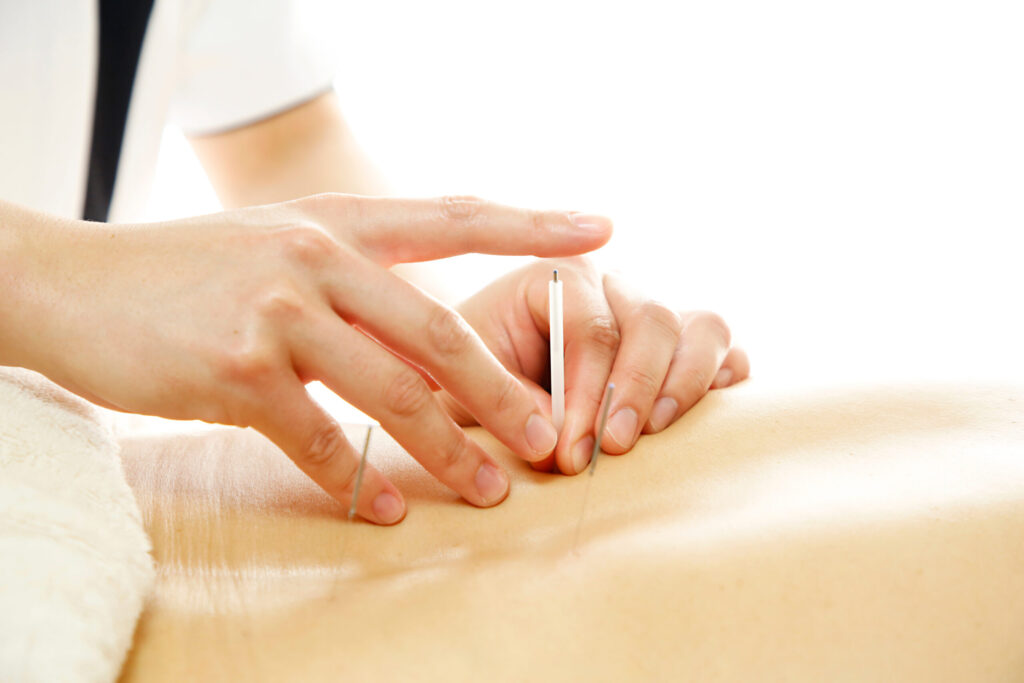
This is the part most first-timers are most anxious about, so let’s be direct: acupuncture needles are extremely thin — far finer than anything you’ve encountered at a doctor’s office. Most people feel little to nothing as they’re inserted.
What you might notice at certain points is a mild heaviness, a gentle ache, or a subtle tingling sensation. Practitioners call this “de qi” — it’s actually a sign that the point is being activated. It fades quickly and most patients find it far less uncomfortable than they anticipated.
Once the needles are placed, you’ll typically rest for 20 to 30 minutes. Most people find this deeply relaxing — some even fall asleep. The room is quiet, the lights are low, and there’s genuinely nowhere else you need to be.
After Your Session
Don’t be surprised if you feel calm, a little tired, or even pleasantly spacey when you leave. This is normal. Drink water, take it easy for the rest of the day if you can, and pay attention to how your body feels over the next 24 to 48 hours.
Some patients notice improvement after a single session. Others experience a gradual shift over several visits. Acupuncture works cumulatively, and your practitioner will work with you to build a care plan that makes sense for your situation.
What Acupuncture Can Help With
Rooted in Chinese medicine, acupuncture addresses the body as an interconnected system. At our Brooklyn clinic, patients come to us with a wide range of concerns, including:
- Chronic or acute pain — back, neck, shoulders, joints
- Tension headaches and migraines
- Stress, anxiety, and sleep difficulties
- Digestive discomfort
- Fatigue and low energy
It pairs especially well with chiropractic care for patients dealing with spinal issues or musculoskeletal pain — the two approaches complement each other in meaningful ways.
Ready to Try It?
The best way to know if acupuncture is right for you is simply to experience it. Our Park Slope team is here to answer any questions before you commit to a single thing. Reach out through our contact page or give us a call at (718) 622-6994 — we’d love to help you take that first step.